Paint Correction · La Verne, California
Restore Clarity.
Reveal The Finish.
Professional paint correction for swirl marks, haze, oxidation and light defects—performed with careful inspection, proper preparation and a finish-first approach.
More Than A Quick Polish
Paint Correction Is Controlled Refinement.
Machine polishing should not be about chasing every defect at any cost. The goal is to improve gloss and clarity while respecting the paint system, the age of the vehicle and the amount of material available to work with.
We inspect the finish, identify what can realistically be improved, and select a correction strategy around the vehicle instead of forcing the vehicle into a one-size-fits-all package.
Why IW Motorsports
Preparation And Technique Make The Difference.
Correction work can improve paint dramatically, but only when it is approached with the right inspection, tools, lighting and experience.
Veteran Experience
Our team includes specialists with up to 15 years of hands-on industry experience working on luxury, performance, EV and daily-driver finishes.
Dedicated Facility
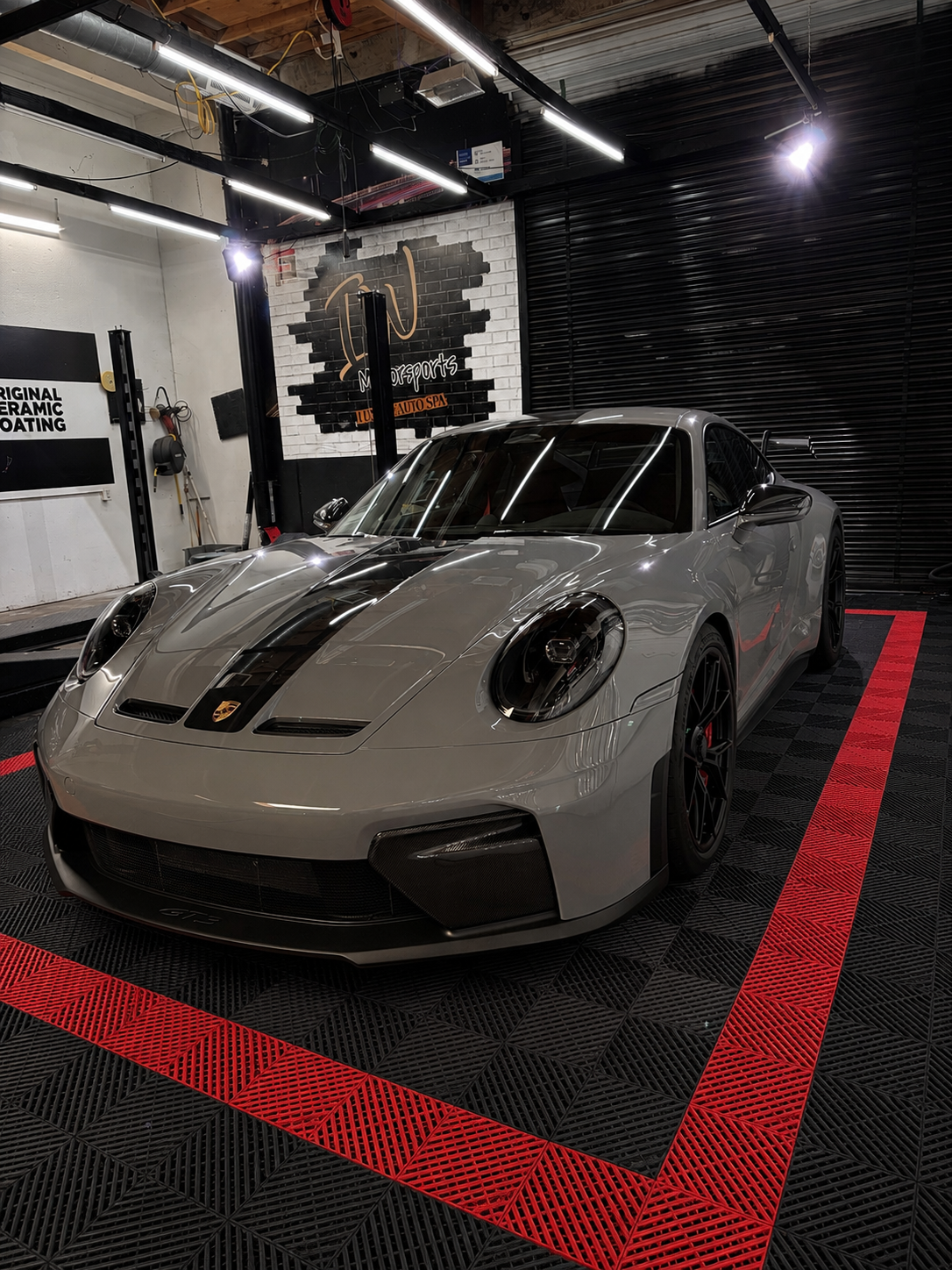
Work is performed inside a specialized protection and finishing environment with controlled lighting and dedicated work areas.
Paint-First Approach
We focus on meaningful improvement without unnecessarily chasing defects that may require excessive material removal.
Finish Inspection
Each stage is reviewed under proper lighting so gloss, haze, refinement and remaining defects can be evaluated accurately.
What We Correct
Common Paint Defects
Not every defect can be safely removed, but many common finish problems can be significantly improved through proper machine polishing and refinement.
Swirl Marks
Fine circular defects commonly caused by improper washing and automatic brush washes.
Haze & Dullness
Loss of clarity and gloss caused by micro-marring, poor polishing or general surface wear.
Light Scratches
Eligible surface scratches can often be reduced substantially without repainting the panel.
Oxidation
Where paint condition allows, machine polishing can restore depth and improve faded appearance.
Water Spot Etching
Mineral spotting and light etching may be reduced depending on how deeply the defect has affected the finish.
Previous Polish Marks
Holograms, buffer trails and inconsistent finishing from prior correction work can often be refined.
The IW Correction Process
Built Around The Paint In Front Of Us.
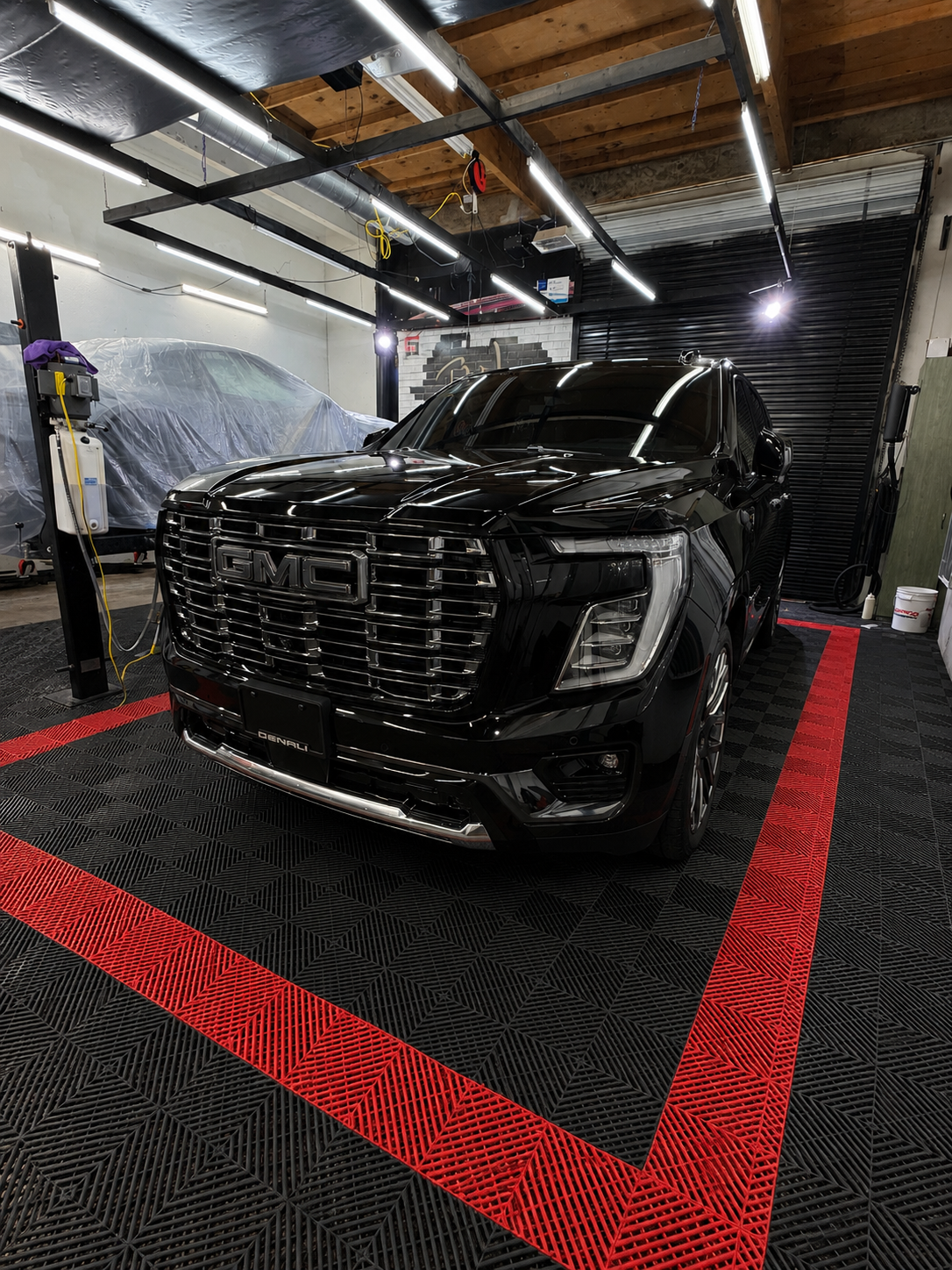 01
01Inspection
We evaluate finish condition, visible defects, panel history and your expectations for the final result.
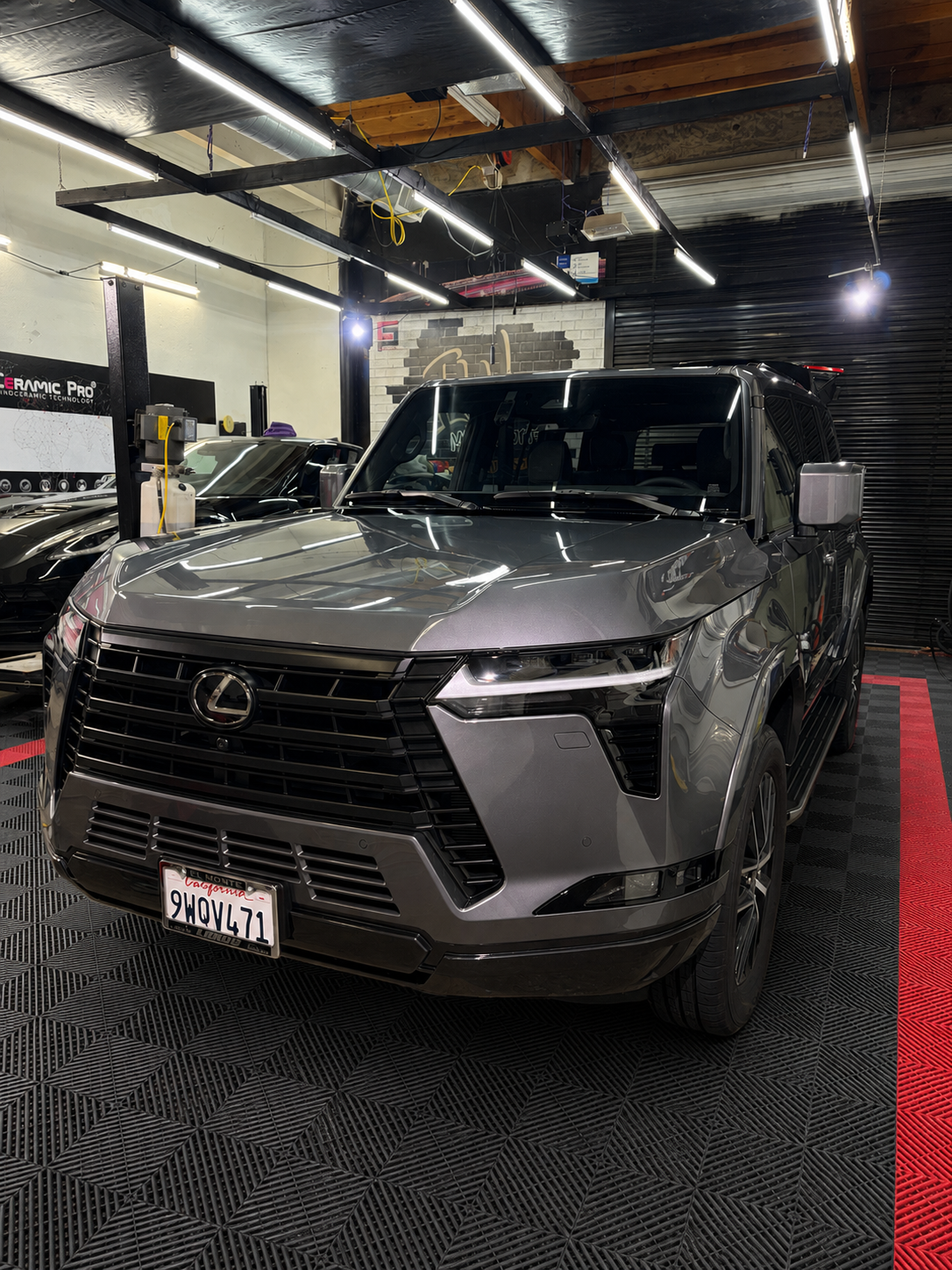 02
02Wash & Decontamination
Paint is thoroughly cleaned and decontaminated before correction begins.
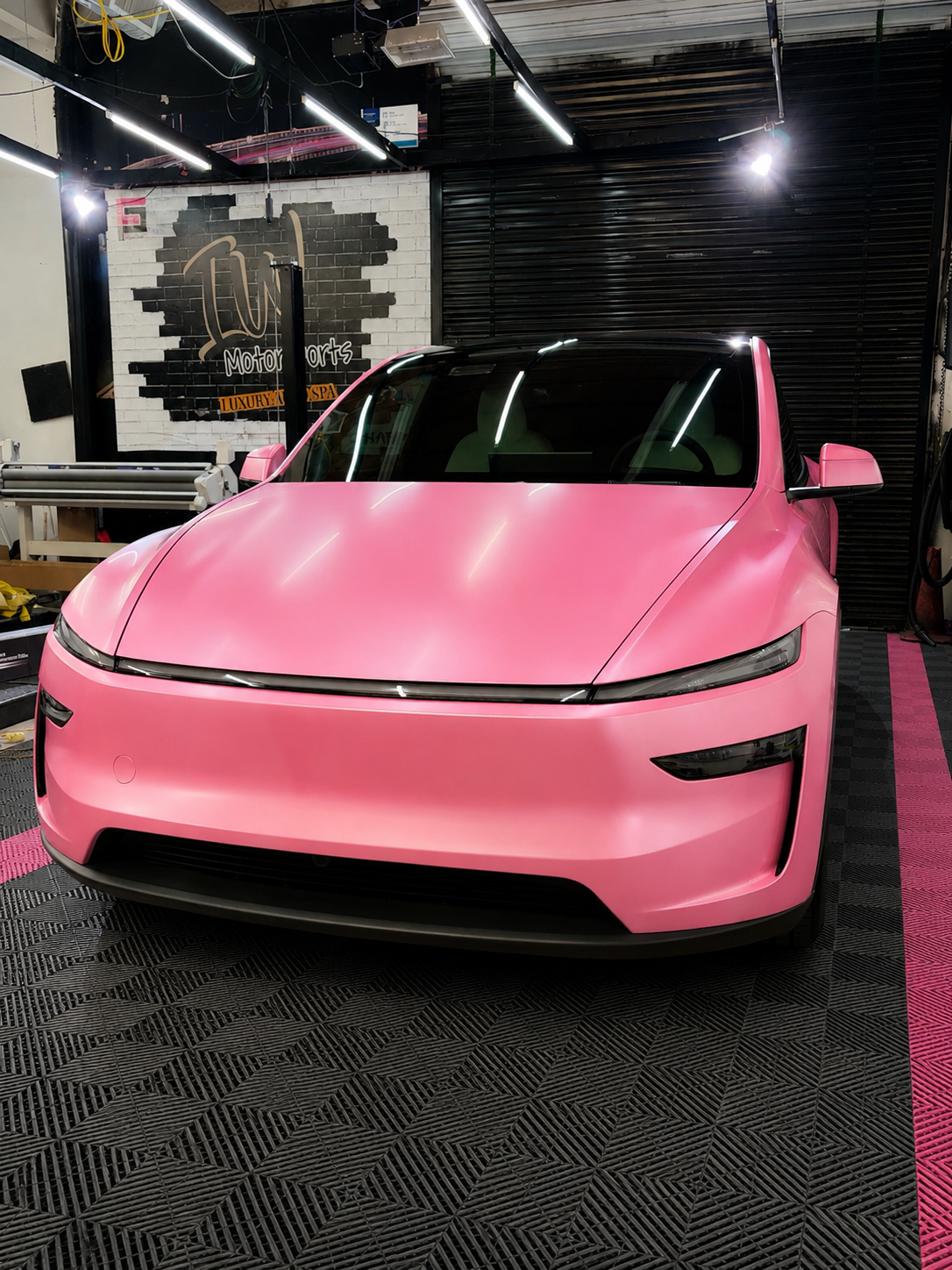 03
03Test Spot
We identify a pad, polish and technique combination that produces the right balance of correction and finish quality.
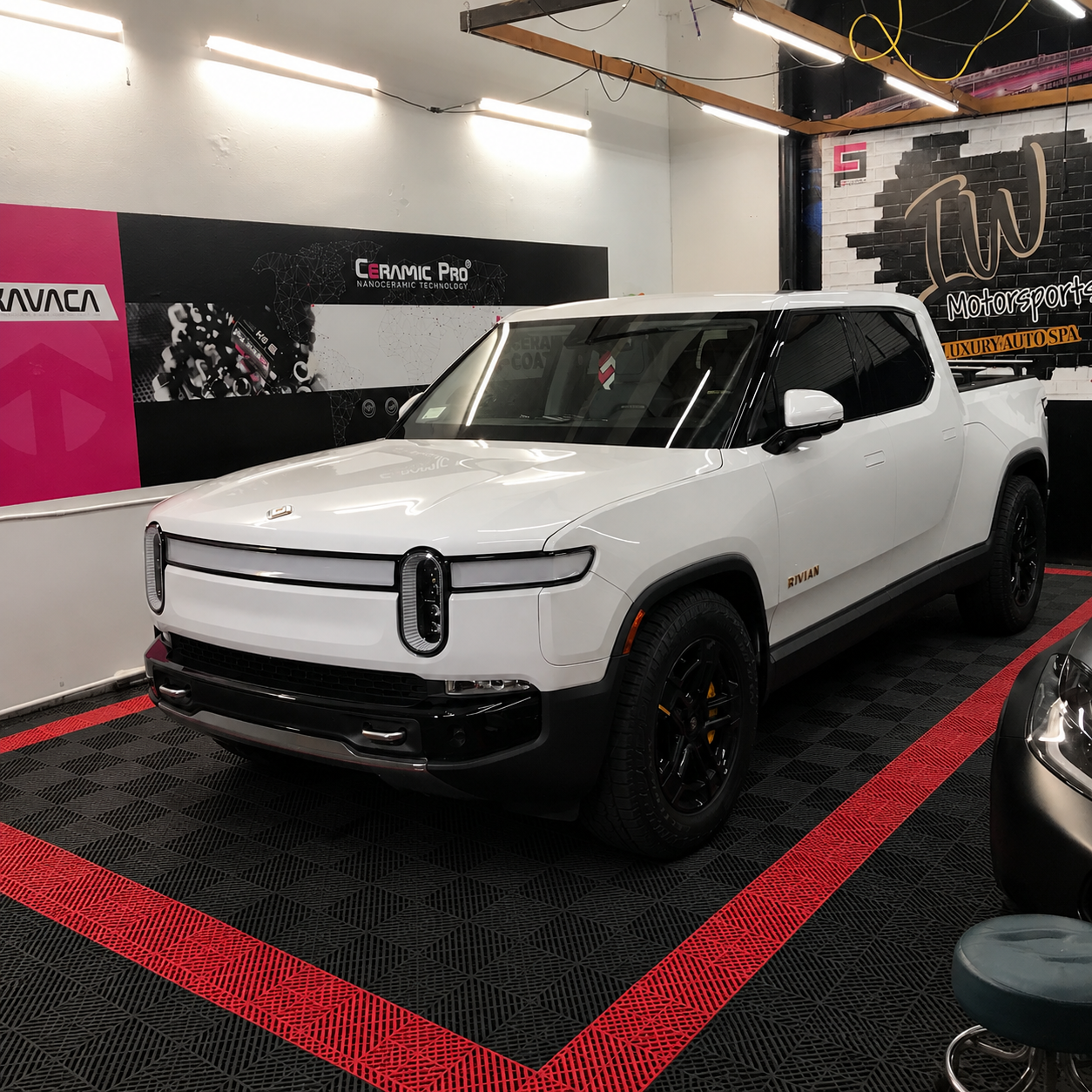 04
04Correction & Refinement
Eligible defects are reduced and the surface is refined to restore clarity, gloss and consistency.
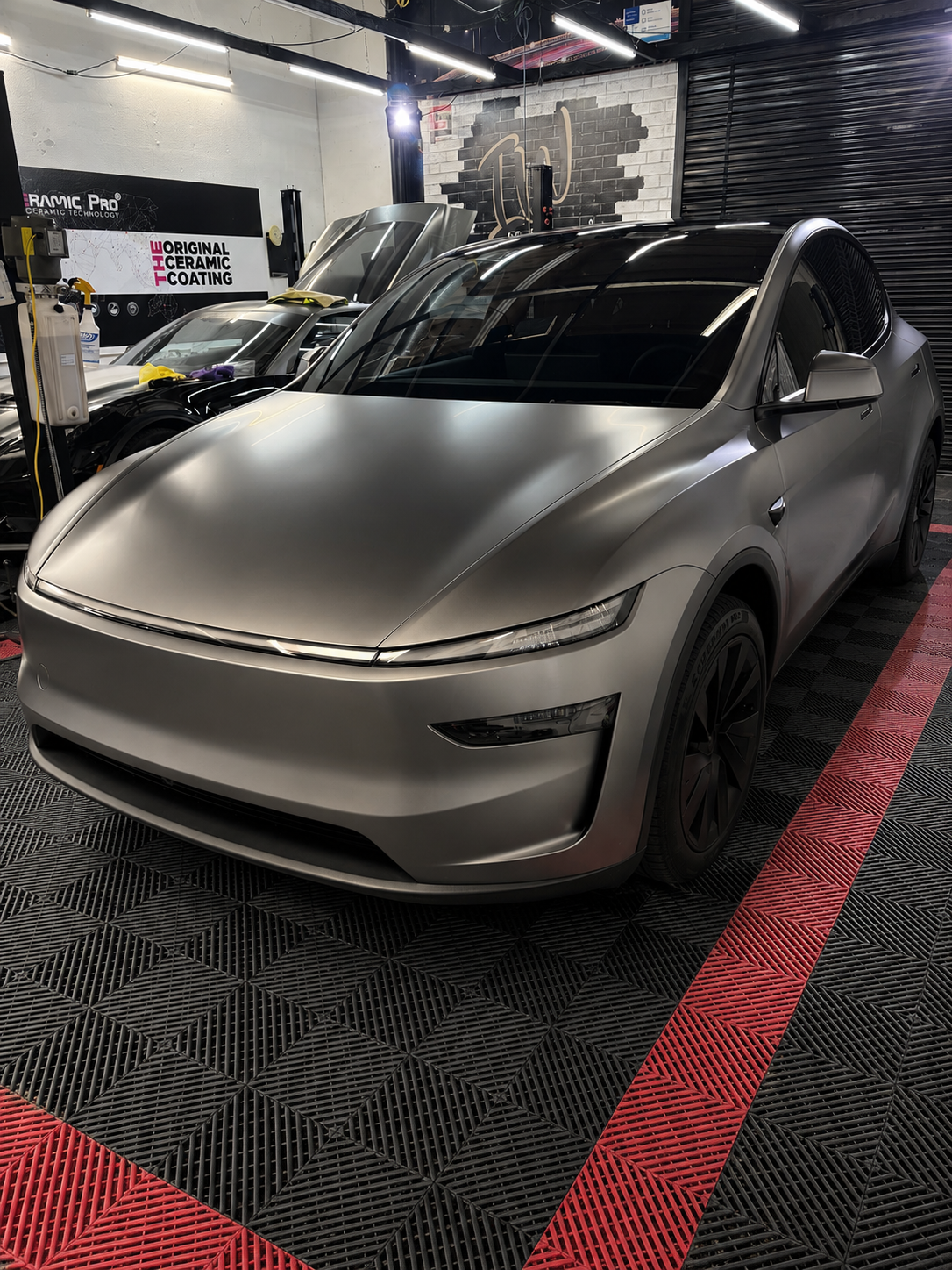 05
05Final Inspection
We review the finish under proper lighting and prepare the vehicle for protection or delivery.
Correction Options
Choose The Level Of Refinement.
Every vehicle is different. Final recommendations are based on paint condition, desired outcome and whether the vehicle will receive PPF or ceramic protection afterward.
Gloss Enhancement
For newer or well-maintained paint that needs added clarity and improved gloss rather than aggressive defect removal.
- Single-stage machine refinement
- Improves gloss and light haze
- Ideal before ceramic coating
Single-Step Correction
A balanced correction process designed to improve common swirl marks, haze and moderate surface defects.
- Machine correction and refinement
- Targets common wash defects
- Excellent for daily drivers
Multi-Step Correction
For more heavily defected finishes requiring separate correction and finishing stages to achieve a higher level of clarity.
- Multiple polishing stages
- More intensive defect reduction
- Best for high-expectation finishes
After Correction
Protect The Finish You Just Restored.
Paint correction improves the surface. Protection helps preserve the result. Many clients pair correction with ceramic coating or paint protection film depending on how they use the vehicle.
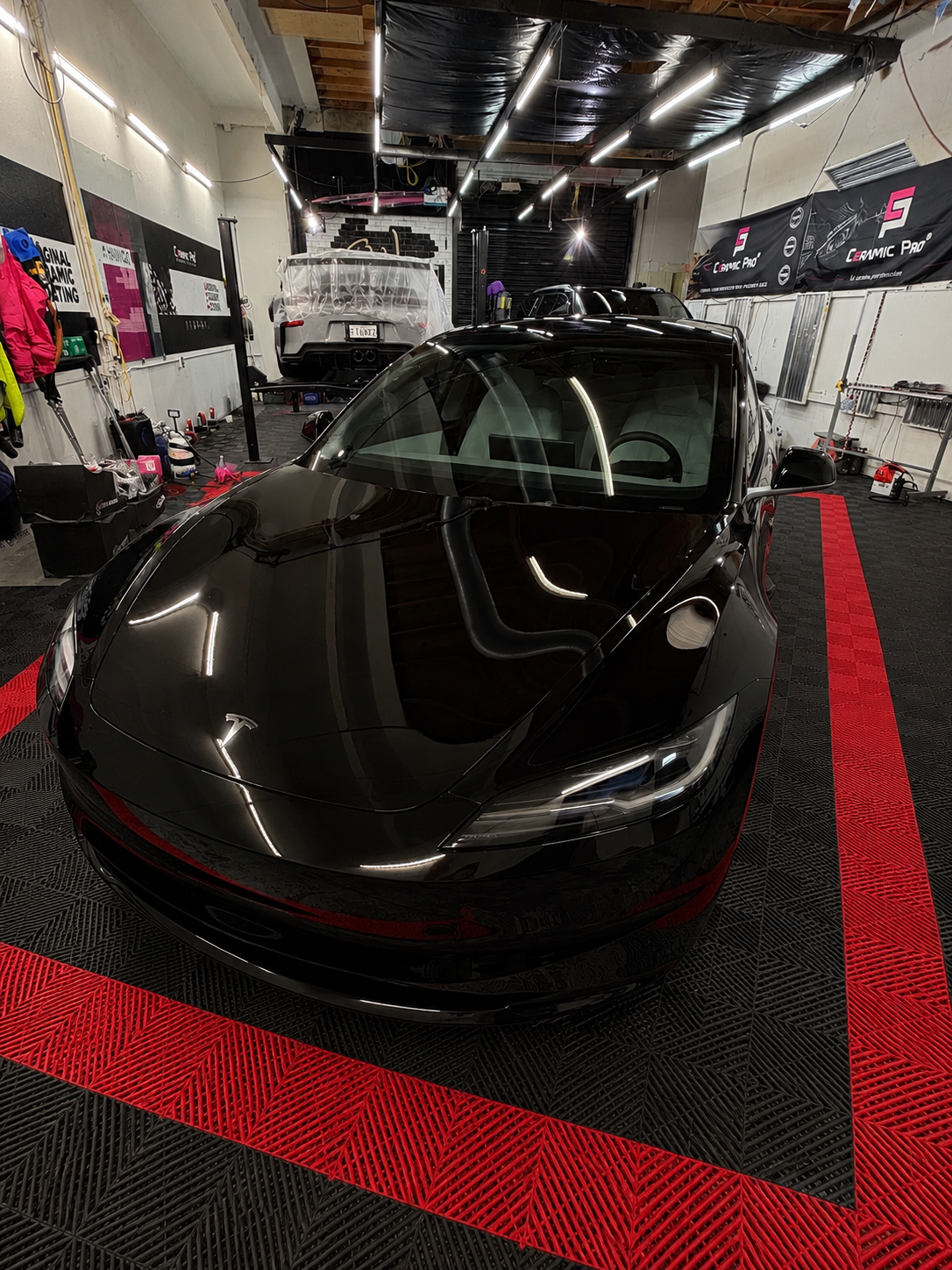
Finish Transformation
Clarity You Can See.
Real Customer Questions
Paint Correction FAQ
Correction is not the same as repainting, and every paint system has limits. These are the questions we discuss most often before a project.
Will paint correction remove every scratch?
No. Light surface defects can often be improved dramatically, but deeper scratches that penetrate too far into the clear coat may not be safe to remove completely.
How much clear coat is removed during paint correction?
Proper correction removes a very small amount of material. The exact amount depends on paint condition, defect depth, products and technique, which is why inspection and conservative correction matter.
Should I correct the paint before ceramic coating?
If the finish has visible swirls, haze or defects, correction before coating generally provides a cleaner result because the coating will preserve the appearance beneath it.
Do new cars need paint correction?
Sometimes. New vehicles can arrive with transport marks, dealership wash damage, light swirls or haze. We inspect the finish first and recommend only the correction actually needed.
Can paint correction fix oxidation?
Some oxidation can be improved, but severe paint failure or clear coat failure cannot be corrected with polishing and may require refinishing.
How long does paint correction take?
Timing depends on vehicle size, paint hardness, condition and correction level. More intensive multi-step correction typically requires significantly more time than a gloss enhancement.
Should I add PPF after correction?
If impact protection is a priority, installing PPF after correction is a strong option because the finish can be refined before the protective film is applied.
Start Your Correction Project
Tell Us About The Finish.
Send the year, make and model, your main concerns and a few photos in direct sunlight if possible. We can help determine whether the vehicle needs refinement, single-step correction or a more intensive multi-step process.